No One Does Easter Quite Like The Bavarians!

No One Does Easter Quite Like The Bavarians!

If you think Christmas is the most important festival for Europeans, you probably haven’t visited Germany during Easter …

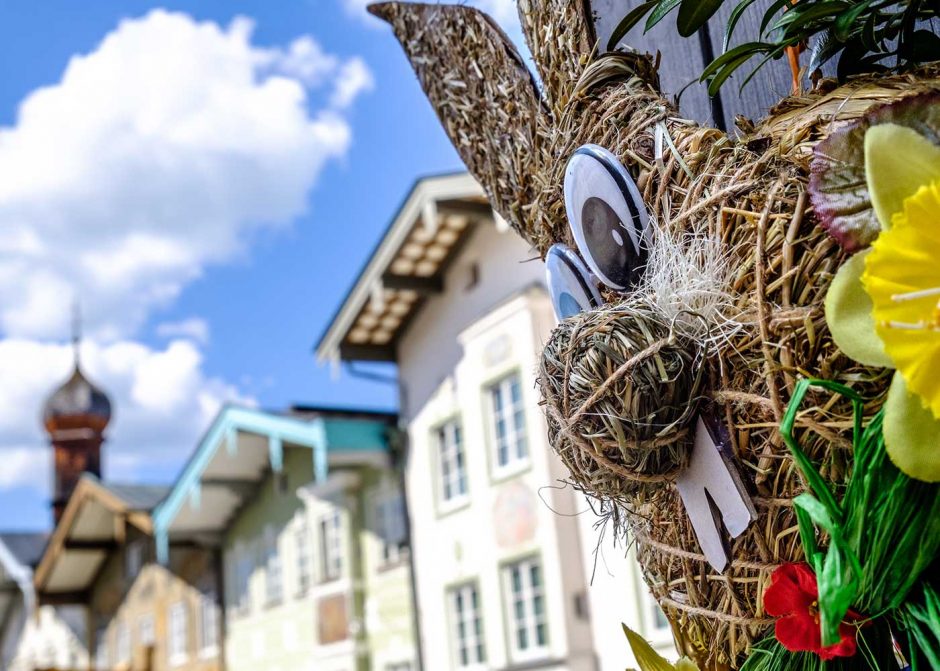
For many these days, Easter celebrations amount to a Sunday roast (typically lamb) with the family and a quick hunt for chocolate eggs in the garden. Not so the Germans. Over there, Easter begins long before the Easter weekend, as people prepare for the upcoming festivities. And in Bavaria, they really push the boat out.

Eggs are blown out and their shells painted in bright colours to be hung on Easter trees and anywhere else you care to think of – on bushes in the garden and traditionally at the village well – since it is the source of life giving water. Easter baskets are laden with goodies – eggs, chocolate eggs and candies, Easter ham and Spring flowers. Egg shells are buried in the garden to ensure a good harvest.
CONTINUE READING →
Bavaria, Brew & Bunnies: A Hoppy Easter Experience

Bavaria, Brew & Bunnies: A Hoppy Easter Experience

As a beer-loving nation, Germany’s largest and headiest state, Bavaria, seems like the biggest outdoor pub in the world — with a few snow-capped mountain ranges thrown in for that frosty, on-the-rocks effect. (LOL!)

Quite unsurprisingly, the Bavarian capital Munich hosts its annual Oktoberfest, the most famous beer festival on earth, as well as Starkbierzeit (Strong beer season), which kicks in during Lent. The latter practice has its roots in the Middle Ages when monks used to brew robust drafts to stave off hunger while fasting.
But aside from its superb suds, Bavaria has lots of other things going for it as well. Among the coolest: it’s the home of the BMW, the birthplace of the classical music composer Richard Strauss, and it’s also where the delectable Nürnberger Bratwurst, Germany’s smallest sausage, is made.
Anytime in Bavaria is a sensory feast, but Easter is a particular treat, blending pagan rituals and ancient ways with contemporary excess, when Bavarians show their spiritual side in a profusion of colors, gaiety and feasts.
CONTINUE READING →

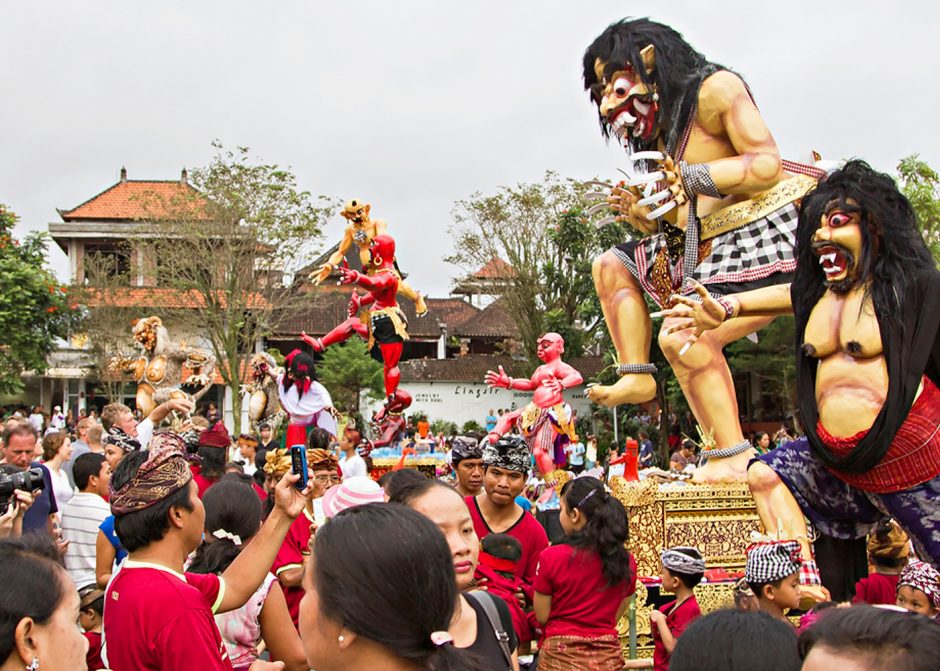
Balinese New Year : Nyepi & The Ogoh Ogoh

Balinese New Year : Nyepi & The Ogoh Ogoh

On an island famed for its rich tapestry of ceremonies, the Balinese New Year – Nyepi (Day of Silence) – is perhaps the most unique. Nyepi occurs annually in either March or April according to the Balinese calendar; in 2018 it fell on March 18.

But Pengurupukan, or Nyepi Eve, is in a way just as important as Nyepi itself.
This is one of the most festive days in the Bali calendar as the Ogoh-Ogoh are paraded up and down streets all over the island, carried on litters by young men from the local banjar (communal units within a village).

And what are Ogoh-Ogoh? About a month before Pengurupukan and Nyepi, strange entities begin to take shape all over Bali. You see them by the roadsides – huge balsa wood structures depicting animals, humans and figures from Hindu and Balinese mythology.
CONTINUE READING →

Karma Dharamsala – A Taste Of Tibet In India

Karma Dharamsala – A Taste Of Tibet In India

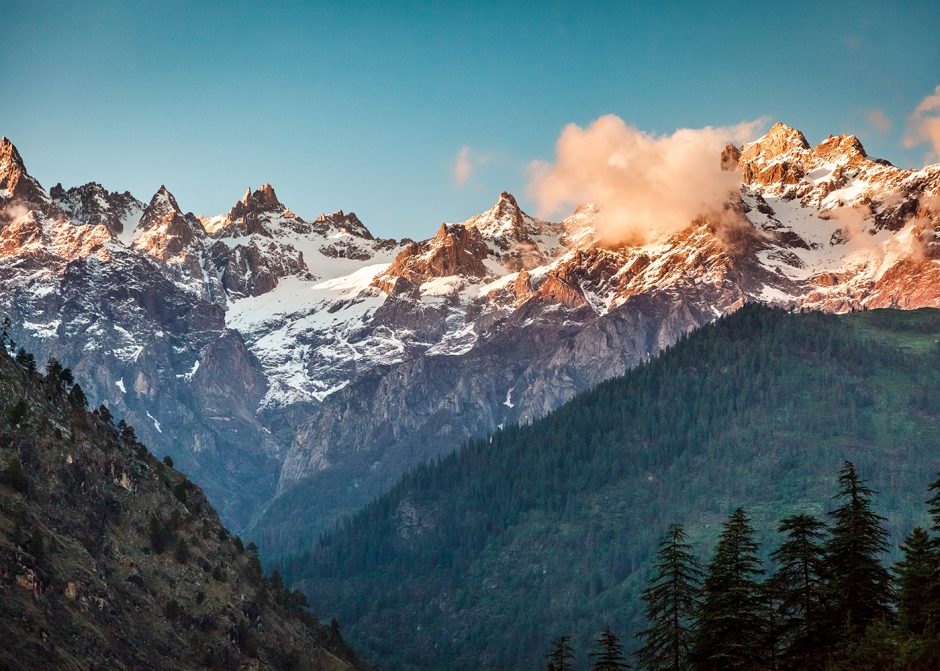
Karma Group’s love affair with India stretches back to the early nineties – indeed it was here in the subcontinent that it all began! So we’re hugely excited to announce the imminent launch of a brand new resort – this time in the Himalayan mountains: Karma Dharamsala!

Surrounded by the lofty peaks of the Himalaya chain in the province of Himachal Pradesh, Dharamsala is famed for being the adopted home of the Dalai Lama and a haven for Tibetan culture in In India. Set amidst fragrant cedar forests on a steep hillside high in the Kangra valley about 200km west of Tibet, the city is fringed by the snow-clad mountains of the Dhauladhar ranges, whose peaks reach well over 5000 metres.


Much of the Kangra Valley is swathed in green thanks to the innumerable streams that provide irrigation and is widely considered one of the most picturesque valleys in region.
CONTINUE READING →

Hoi An : Teeming With Dragon Tales & Trails

Hoi An : Teeming With Dragon Tales & Trails

The Dragon Tale
In
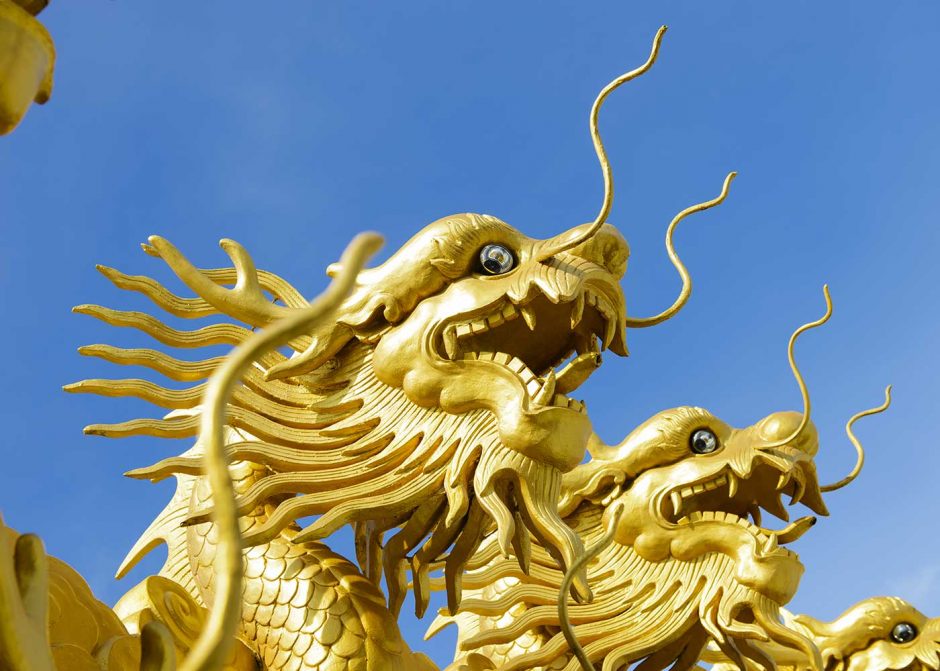
Hoi An Vietnam, also known as the land of the ascending dragon due to its unique geological shape, dragons are no fairy tale. According to an ancient creation myth, the Vietnamese were descended from such a fantastical creature, albeit with a little help from a friend, who, in this particular cosmic act of procreation, happened to be an obliging goddess (hence the origin of the Vietnamese proverb “Con Rồng, cháu Tiên,” or, “Children of Dragon, Grandchildren of Gods”).
The dragon symbolizes yang; but it also epitomizes power, intellect, longevity and nobility. It reflects the prosperity of the nation; but it also brings about rain, so vital to agriculture.
This most impressive of all creatures in Asian mythology has inevitably undergone as many transformations as Vietnam has undergone dynasties. However, the first in a long and illustrious line of them, Giao Long, was part crocodile (due to the fact that the Vietnamese lived near rivers, hence their veneration of the reptile), with elements of serpent, cat, rat and fowl thrown in for good (and symbolic) measure.
CONTINUE READING →